
It’s been a tough few weeks. Okay. That’s an understatement. With an ongoing war, a death in the family, and our kids out of school for nearly a month, our lives have turned upside down. It’s been hard for us to concentrate on anything, including this blog.
This is the post we had intended to publish in early October, back when life was normal, and it had been years since our family heard missile alert sirens or our kids added rocket launchers and bomb shelters to their Magna-tile creations.
We decided to share it now, since – well – dogs are wonderful. But also because there are so many dogs from affected areas in need of homes these days and because people are looking for ways to increase their personal security. This topic actually came up at shiva this past week, so if you were there with us and part of this conversation – this post is for you ❤️.
Sending love and strength to you all. May we see more peaceful days ahead.
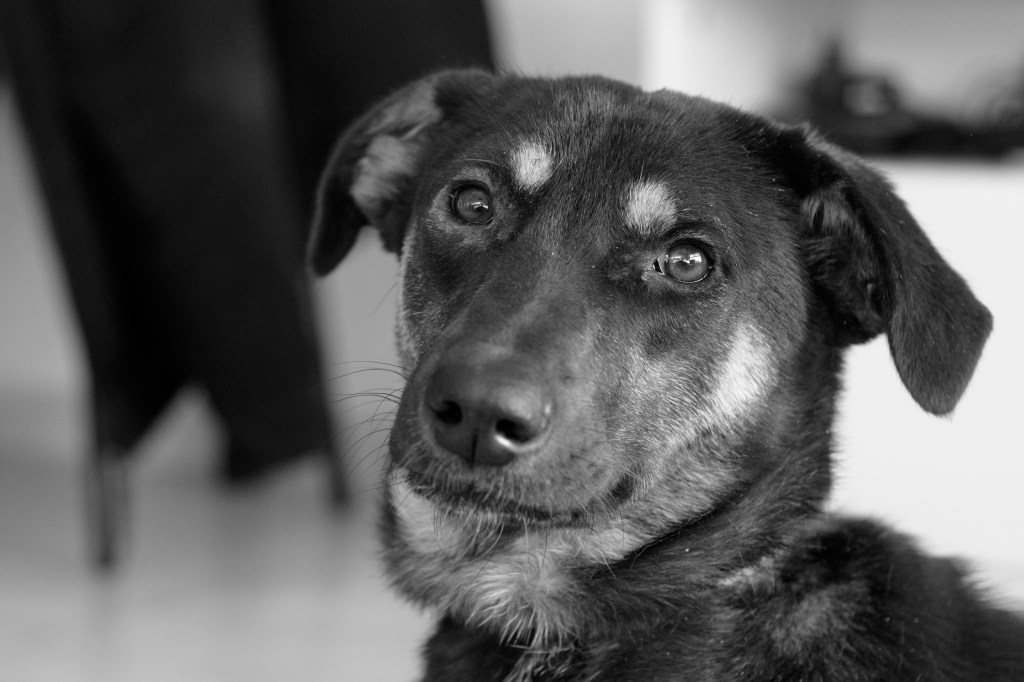
Are you considering getting a dog? As you know, we have one, and we are Team Rescue Mutt all the way. But even among rescue mutts, there are so many different dogs to choose from. So how do you know which one to pick? What should you be looking for in a dog to ensure the best fit for your family?
Fiona’s mom, Grandma Fiesta, is a recently retired veterinarian living in the US. While she can’t actually treat our dog, she’s our go-to for all of our vet questions. When we were looking to adopt a dog shortly after getting married, we asked her what we should be looking for to make sure we found the right dog for us. We have shared the following tips with personal friends when they tell us they want to add a dog to their families. Here are some of the questions she asked us plus a number of other questions you should consider if you are looking to adopt a dog. With Grandma Fiesta’s help, we curated our ultimate list of things to look for in a dog.
There are so many options to choose from, so many breeds and mixed breeds. So many breeders, shelters, etc. Should you get a puppy or an adult? A large dog or a small dog or in between? What type of haircoat? How do you decide?
Why do you want a dog?
The first thing you should ask yourself is why do you want a dog? Do you want a companion, a protector, or a playmate for your children? Have your children been begging for a dog but you are not so sure? Is your house quiet and staid or noisy and rambunctious? Are you a clean freak? Does anyone in your household have allergies?
A pet dog should be a companion and part of the family. Adopting a dog is a commitment for the life of your pet which may be up to 10 to 15 years. It is not fair to your dog to keep him or her tied outside or in a cage for long periods of time.
Are you looking for a protector?
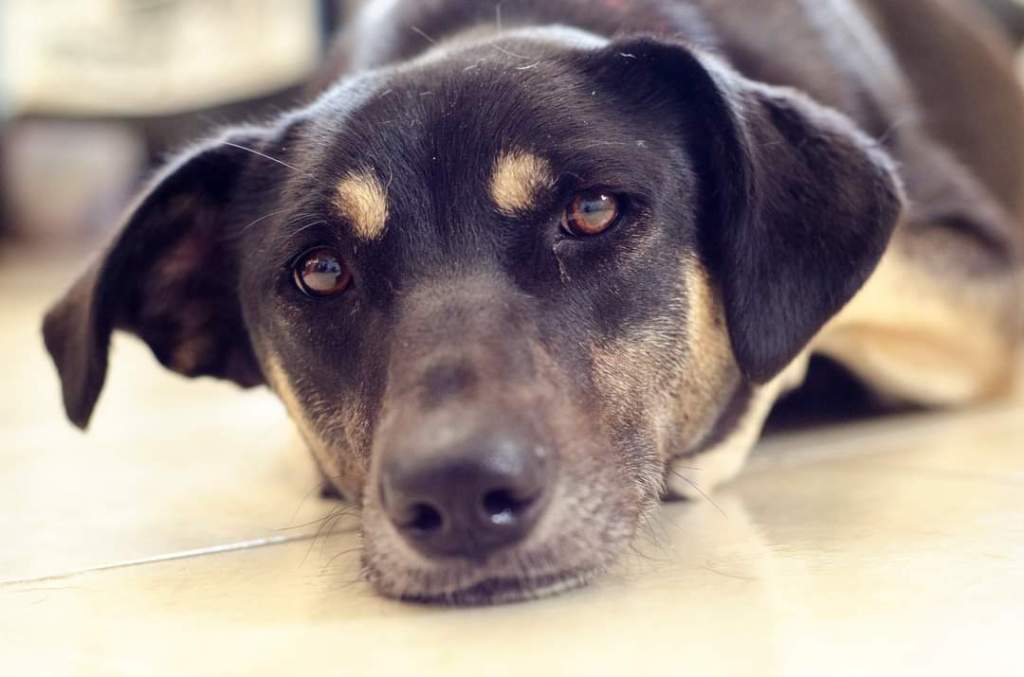
Most dogs will alert you to people knocking at your door. This is usually a sufficient deterrent to someone looking to break into your home. By virtue of their size, large dogs can discourage people from closely approaching you when you are walking alone outside. However, unless you are a professional trainer you SHOULD NOT be looking for a trained attack dog. In the hands of untrained owners an attack dog is like a loaded gun with the safety off.
Are you seeking a playmate for your children?
Gentle, respectful older children can do well with a small dog. However, if your kids are toddlers or otherwise boisterous, a very small dog will be overwhelmed and may bite in self defense. Larger dogs are stronger, more durable, and tend to be less intimidated by little kids. For reference, our dog weighs 26 kilos and is considered to be a medium-large dog. She did great with our babies and toddlers.
Who will be responsible for feeding, walking and cleaning up after your dog?
You will. It is unrealistic to expect children younger than teenagers to take entire responsibility for your pet. Certainly, they may be assigned parts of the care as one of their chores, but you bear the final responsibility for ensuring that your dog is well taken care of. If you adopt a puppy or young adult dog and have school age kids, you should expect that after they will grow up and move out, the dog will stay with you.
Should you get a puppy or a young adult dog?
Puppies are ever so cute and cuddly, but like human babies they need a lot of attention in the first year. Housebreaking must be accomplished; expect pee puddles and poop deposits in your house until this is done. Puppies go through a fairly destructive phase when they are teething from about 3 months to 7 months when they will mouth, chew and sometimes destroy non-food items that come their way. You will need to temporarily puppy-proof your home for the protection of your possessions and the health and safety of your puppy. If you don’t have the time or energy for this, adopting a young adult might be the best choice.
Another thing to keep in mind is that a dog’s temperament generally mimics that of its parents. While all 8 week old puppies are irresistibly cute, it is difficult to determine what type of adult dog they will grow into. If you get to meet the puppy’s parents (generally possible if you buy a purebred or get a dog from someone giving away puppies) you can assume that the puppy’s personality will be like theirs. Otherwise it is hard to determine which of those cute puppies will become overly aggressive, shy fear biters, excessive barkers, hyperactive maniacs, etc. By 4-7 months of age, a dog’s personality is generally established and what you see is what you get. This is why Grandma Fiesta recommended that we look for a rescue mutt over 6 months old.
Are you a clean freak or does someone in your house have allergies?
If you can’t tolerate wisps of fur or fluff around your home, or if someone in your household has allergies, you will want to get a non-shedding type of dog. Most dogs have a spring and fall shed. Extra brushing is needed at these times. Some dogs have fur that grows continually and never falls out. These dogs may be identified by their long coats including growth of fur on the face and muzzle. They will not shed but need regular brushing/combing to prevent tangles and MUST be professionally clipped every 6 to 12 weeks or they will take on the appearance and odor of a dirty mop head.
Where should you adopt your pet from?
Grandma Fiesta has adopted nearly all of her dogs throughout the years as older puppies or young adults from a shelter or pound. In Israel, there are municipal pounds (כלבייה עירונית) and local non-profit shelters or rescue organizations. This is where we got our Oogie from when she was eight months old. In general, you will have to pay an adoption fee of about 600-800 shekels, which will include spay/neuter, chip and shots for that year – and by adopting a rescue dog, you will save a life. (By contrast, buying a purebred dog will set you back about 5,000 shekels and you will have to pay for its spay/neuter, chip and shots out of pocket.)
If you do choose to buy a dog, make sure that it is from a reputable licensed breeder who is in the business to improve the the puppies they breed. They deliberately breed for conformation, temperament and try to eliminate genetic problems associated with their breed. They provide early socialization of puppies to adults and children to ensure happy, outgoing puppies. Unfortunately, there are many breeders of purebreds and designer mixed breeds that are in it for the money. The worst of these termed “puppy mills” excessively breed their females and keep their dogs in unsanitary and often inhumane conditions. Stay away.
Puppies and older purebred dogs and designer mixed breeds may be purchased from breeders. However, not all breeders are created equal. A few dedicated breeders are in the business to improve the the puppies they breed. They deliberately breed for conformation, temperament and try to eliminate genetic problems associated with their breed. They provide early socialization of puppies to people and children to ensure happy, outgoing puppies. Unfortunately, there are many breeders of purebreds and designer mixed breeds that are in it for the money. The worst of these termed “puppy mills” excessively breed their females and keep their dogs in unsanitary and often inhumane conditions. Stay away. Older and sometimes geriatric purebred dogs may also be obtained from breed specific rescue organizations. Shelters have a variety of dogs of a variety of ages that are in need of homes. Dog pounds are run by municipalities and have dogs that have been picked up as strays or taken from abusive homes or hoarding situations.
What should you look for in a dog?
You want to find a puppy or dog who is confident, friendly and approaches you with his tail wagging. He should not be timid or hiding under a chair. Watch him at play with other dogs. Dog play often involves mock biting, growling and tumbling but should not involve injury to the other dog and the tussling should stop when one of the dogs calls it quits by assuming a submissive belly up position or retreating.
You also are looking for a dog who is submissive to you and will not try to be “top dog” in your household. Your potential adoptee should allow you pick him up and hug him without struggling. He should permit you to examine his ears, his paws and under his tail. He should tolerate being rolled onto his back without struggling. You should be able to take food and toys away from him without having him growl or snap at you. Even though the dog may not know any commands, he should be responsive to your voice, follow you when encouraged and maintain eye contact with you.
What are the monthly costs?
Keep in mind that owning a dog is not just about fun and games. It also entails a monthly expense that you need to budget for. As mentioned before, having a dog is a long-term commitment that requires financial planning as it is another family member. On average, we spend around 150 shekels per month to take care of our healthy dog (tfu tfu). You should consider pet insurance (or self insure by creating a slush fund for your pet), food, general grooming, such as haircuts, baths, brushing teeth, yearly shots, and treatment for fleas and ticks. The amount is different from dog to dog depending on the size of the dog.
It’s important to note that as your dog gets older, the costs of maintenance will likely increase. This is similar to how expenses tend to rise as we age.
Wishing you lots of luck, joy and happiness from your newest family member. Enjoy him or her in good health.
Like what you see here? Subscribe so you never miss a post.
Do you have or did you have a dog? Why or why not? How did you choose your dog?


Leave a Reply